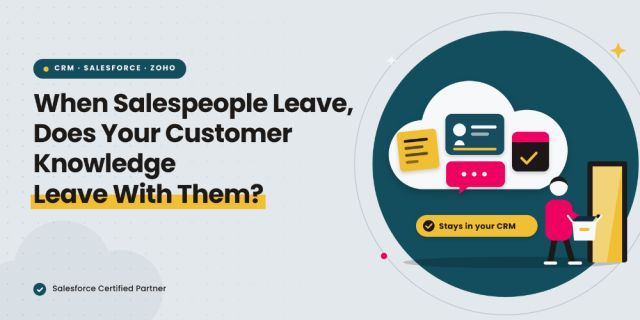
Imagine a salesperson who has managed important customer accounts for years. They know customer preferences, previous conversations, ongoing deals, and pending commitments.
Now, what happens when that employee leaves?
If customer information exists only in personal emails, spreadsheets, or individual notes, the business risks losing valuable knowledge. This can lead to missed follow-ups, delayed opportunities, and inconsistent customer experiences.
Employee transitions are unavoidable, but losing customer knowledge doesn't have to be.
Why Businesses Need to Retain Customer Knowledge
When customer information is not properly documented, businesses may face several challenges:
- Loss of Customer History: Important conversations and agreements may become difficult to access.
- Missed Follow-Ups: Pending tasks and commitments can be overlooked.
- Delayed Opportunities: New employees need extra time to understand ongoing deals.
- Poor Customer Experience: Customers may have to repeat their requirements.
- Employee Dependency: Important account knowledge remains with one individual.
How CRM Systems Help Protect Customer Information
A Customer Relationship Management (CRM) system helps businesses maintain customer information in one centralized location.
It allows teams to:
- Store customer details and interaction history.
- Track calls, meetings, and follow-up activities.
- Monitor ongoing deals and sales opportunities.
- Assign customer accounts to other employees.
- Maintain visibility into customer relationships.
This makes employee transitions easier and reduces dependency on individual team members.
How Salesforce and Zoho Help
1. Salesforce CRM
Salesforce helps businesses maintain customer records and manage sales activities through a centralized platform.
Key capabilities include:
- Account and Contact Management.
- Customer Activity Tracking.
- Opportunity and Pipeline Management.
- Record Ownership Transfer.
- Reports and Dashboards.
For example, when a salesperson leaves, managers can transfer customer accounts to another representative, allowing them to access available records and continue ongoing conversations.
2. Zoho CRM
Zoho CRM provides tools to organize customer information and manage employee responsibilities.
Key capabilities include:
- Centralized Customer Records.
- Call and Meeting History.
- Record Ownership Management.
- Workflow Automation.
- Sales Pipeline Tracking.
Businesses can transfer customer records and associated open activities to another employee, helping ensure important tasks are not overlooked.
Best Practices for a Smooth Employee Handover
Using a CRM is only part of the solution. Businesses should also establish clear documentation and handover processes.
- Update Customer Records: Document important conversations and customer requirements regularly.
- Track Pending Tasks: Maintain clear follow-up dates, responsibilities, and task statuses.
- Create Handover Checklists: Include ongoing deals, proposals, and upcoming meetings.
- Assign Backup Owners: Ensure important customer accounts have appropriate team visibility.
- Review CRM Data: Keep customer information accurate and updated.
Conclusion: Retain Knowledge, Not Just Customer Records
Employee transitions are a normal part of business operations, but losing valuable customer information can affect relationships and business growth.
With properly implemented CRM solutions like Salesforce and Zoho, businesses can organize customer data, maintain sales visibility, and ensure smoother employee handovers.
At Cloudy Coders, we help businesses implement, customize, and optimize Salesforce and Zoho solutions to improve customer management and business processes.
Looking to make your customer management more organized and reliable?
Connect with Cloudy Coders to explore the right CRM solution for your business.