
The right CRM does not just store customer data - it helps your business build better customer relationships.
Salesforce offers different solutions for different business needs. Two of the most popular are Sales Cloud and Service Cloud.
Both help businesses manage customer relationships, but they serve different purposes.
Sales Cloud focuses on sales, while Service Cloud focuses on customer service.
What Is Salesforce Sales Cloud?
Sales Cloud helps sales teams manage leads, opportunities, customers, and the sales pipeline from one place.
It can help businesses:
- Manage and track leads
- Follow sales opportunities
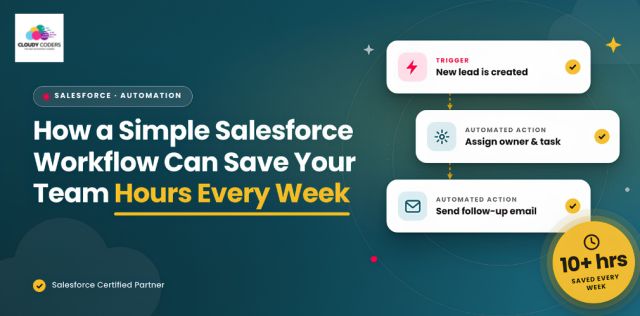
- Automate follow-ups
- Monitor the sales pipeline
- Create reports and dashboards
For example, a real estate company can use Sales Cloud to capture leads, assign them to sales representatives, automate follow-ups, and track them until a deal is closed.
In simple terms: Sales Cloud helps turn leads into customers.
What Is Salesforce Service Cloud?
Service Cloud is designed for customer support teams. It helps businesses manage customer questions, complaints, and support requests.
It can help businesses:
- Manage support cases
- Track customer issues
- Assign cases to the right team
- Automate service tasks
- Improve response and resolution times
For example, a software company can use Service Cloud to manage technical issues and customer support requests in one place.
In simple terms: Service Cloud helps support and retain customers.
Sales Cloud vs. Service Cloud
Sales Cloud:
- Focuses on sales
- Manages leads
- Tracks opportunities
- Supports sales teams
- Improves sales processes
Service Cloud:
- Focuses on customer service
- Manages support cases
- Tracks customer issues
- Supports service teams
- Improves customer experience
A simple way to remember it:
Sales Cloud = Win customers
Service Cloud = Support customers
Which One Does Your Business Need?
Choose Sales Cloud if you want to improve:
- Lead management
- Sales pipeline tracking
- Follow-ups
- Sales automation
Choose Service Cloud if you want to improve:
- Customer support
- Case management
- Issue resolution
- Service automation
You can also use both. Sales Cloud can manage the journey from lead to customer, while Service Cloud can manage support after the sale.
Final Thoughts
The right Salesforce solution depends on your business goals.
If your priority is sales and lead management, Sales Cloud may be the right fit. If your focus is customer support and service, Service Cloud may be a better choice.
Already using Salesforce but still dealing with spreadsheets and manual processes? Your existing setup may simply need better customization, automation, or optimization.
Cloudy Coders helps businesses implement, customize, integrate, and optimize Salesforce solutions based on their needs.
Need help choosing the right Salesforce solution? Let’s talk.